

On Tuesday, 16 September 2025, the King delivered the Speech from the Throne. The cabinet outlined the major challenges facing the Netherlands: housing construction, infrastructure, maintenance of bridges and roads, and balancing these with nature and climate goals. Municipalities and provinces will play a crucial role in this. But what does this mean in practice for public spaces?
Prinsjesdag 2025: Opportunities for a circular public space

Large-scale housing and accessibility
The Speech from the Throne identified four new locations for large-scale housing. It also addresses the nitrogen bottleneck, allowing construction projects and infrastructure works to proceed more smoothly. For municipalities and provinces, this means significant investments in accessibility and mobility around these new neighborhoods.
This involves not only homes but also the design of public spaces: roads, cycle paths, bus stops, mobility hubs, and clear signage and wayfinding systems.
Maintenance and renewal of infrastructure
The cabinet recognizes that much of the existing infrastructure—such as bridges, roads, and viaducts—is aging and requires maintenance. This presents opportunities to approach maintenance in a circular and sustainable way, rather than using traditional methods.
By focusing on products and solutions that are durable, reusable, and energy-efficient, municipalities and provinces can use their maintenance budgets smarter and more sustainably.
Spatial planning and coherence
The Speech emphasizes that the Netherlands is increasingly facing space constraints: housing, traffic, agriculture, nature, and climate objectives must all come together. More central coordination is needed to manage this effectively.
This means that integrated plans for towns and cities will become more common, with the design of public spaces playing a key role. There is ample opportunity to incorporate circular and sustainable solutions directly from the design stage.
Where the cabinet remains silent
Despite these ambitions, no concrete measures or budgets have been announced specifically for circular public space design, such as the reuse of traffic signs, wayfinding, or street furniture. A mandatory framework for circular procurement is also still missing.
This calls for initiative from provinces and municipalities—and that is precisely where the opportunity lies to take the lead.
Our contribution: circular solutions for public spaces
At AGMI, we help municipalities and provinces turn circular ambitions into practice. Our solutions include:
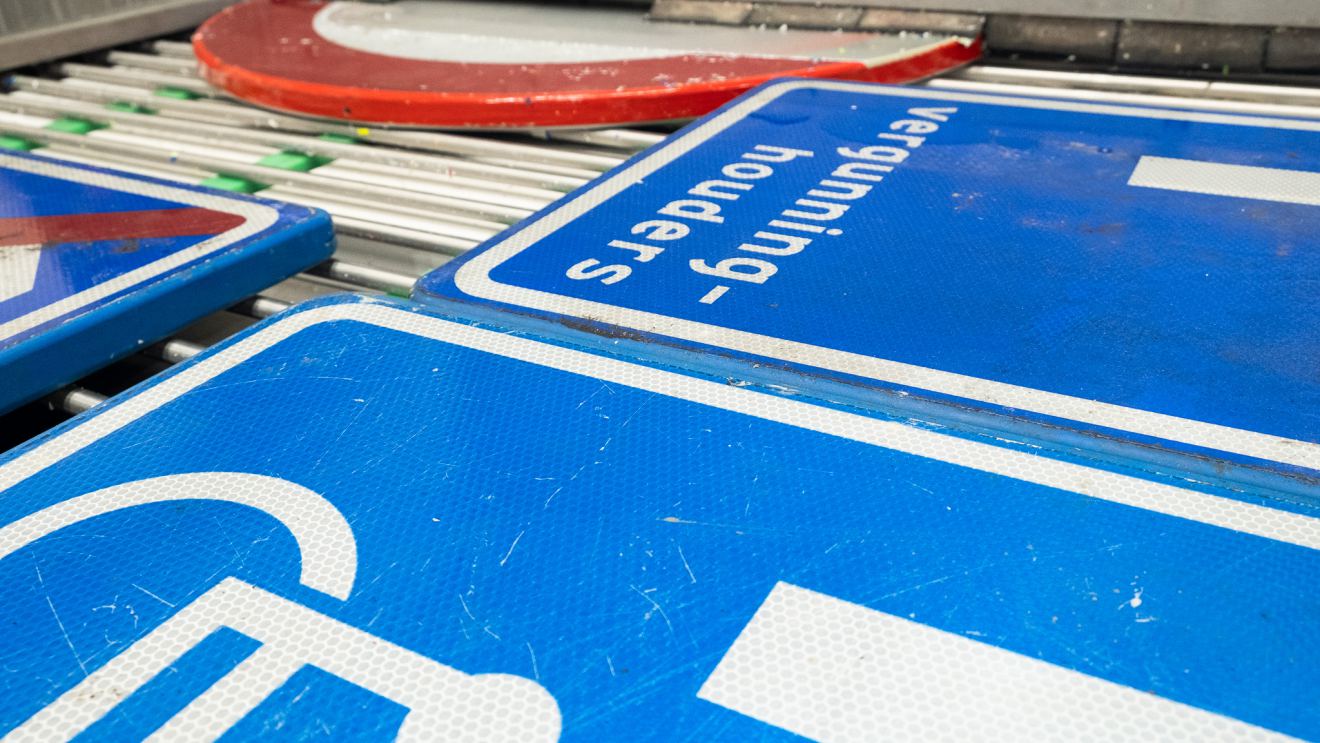
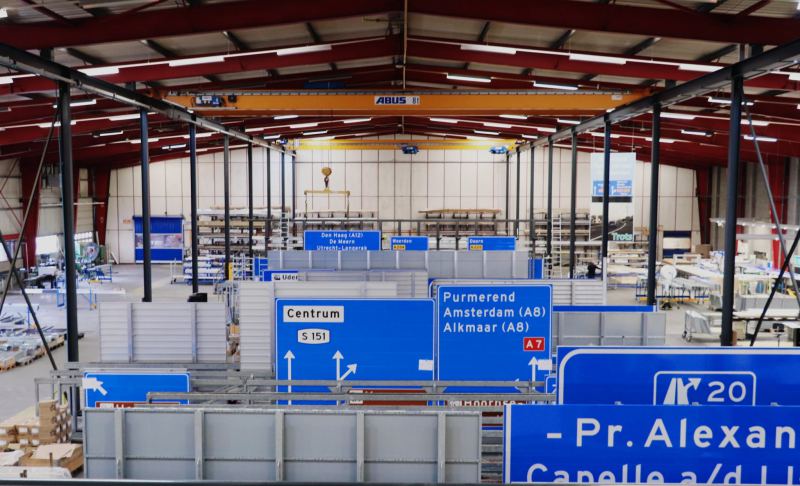
- Re-Sign traffic signs and wayfinding – circularly produced, reusable, and part of a deposit system.
- LED lighted signs – save up to 75% energy and last twice as long as traditional systems.
- Custom solutions – developed together with municipalities to make the identity of a city or town visible in signage and wayfinding.
This way, we help municipalities use their budgets smartly and circularly, while making a tangible contribution to climate goals.
Conclusion
Prinsjesdag 2025 provides direction: more housing, improved infrastructure, and stronger spatial governance. However, when it comes to concrete implementation of circularity in public spaces, the cabinet remains largely silent. For municipalities and provinces, this is the perfect moment to take the lead themselves.
We are happy to help explore how circular solutions can support this. Want to find out how to design your public spaces smarter and more sustainably? Leave your details below, and we will contact you within one business day.