

On Tuesday, 15 september2026, the King delivered the Speech from the Throne and Miniter of Finance Heinen presented the 2027 Budget Memorandum to the House of Representatives. For municipalities and provincal authorities, this is a good opportunity to look ahead and see what lies in store.
Prinsjesdag 2026: New opportunities for circular public space design
Additional funding for roads, bridges and railways
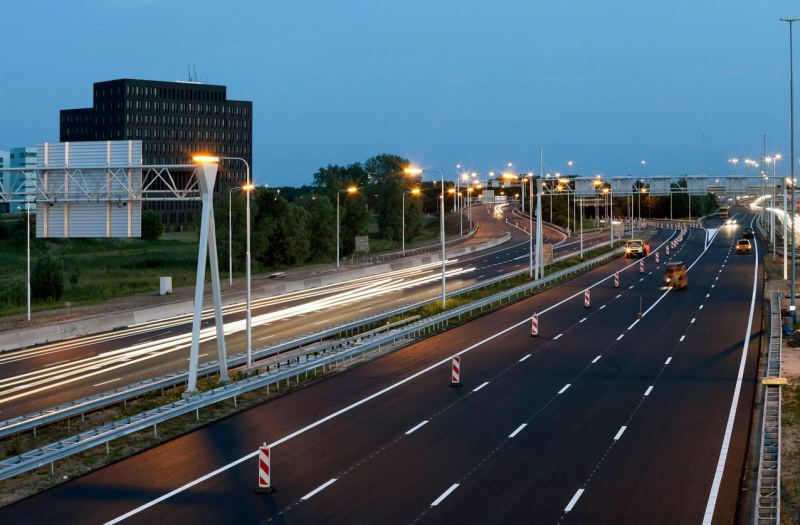
From 2029 through 2035, the goverment will alocate an additional €1.5 billion annualy for the construction and maintenance of roads, bridges and railways. This is a welcome boost, although the overall infrastructure maintenance of raods, bridges and railways. This is a welcome boost, although the overall infrastructure maintenance backlog remains substantial. The Ministry of Infrastructure and Water Management previously warned of a funding shortfall of approximately €80 billion by 2040. For municipalities and provincial authorities, this means additional investment in maintenance and renewal in the coming years, including the surrouning infrastructure: traffic signs, directional signage, safety barriers and other roadside facilities. Every maintenance project is an opportunity to go beyond simply replacing existing infrastructure with new products and instead opt for a circular, modular solution that lasts longer.
Circular economy: another quiet Prinsjesdag
As in previous years, the goverment has remained silent on concrete measures for the transition to circular material use and the circular economy. As expected, Prinsjesdag has brought little new policy in this area, with no new policy measures announced. The gouverment will not update the National Circular Economy Programme (NPCE) until the end of this year. The programme already includes two indicative targets: reducing raw material consumption by 16% compared with 2016 and increasing the share of biobased and secondary raw materials to 55%.
The opportunity lies with municipalities
The fact that the national goverment is not imposing a specific framework does not mean that nothing is happening. On the contray, it means that municipalities and provincial authorities can take the lead themselves. With additional funding for infrastructure maintenance on the horizon, now is the time to incorporate circular requirements into tenders and design decisions, rather than waiting for them to become mandatory.
Our contribution: circular solutions for public spaces
At AGMI, we help municipalities and provinces turn their circular ambitions into practical solutions, including:
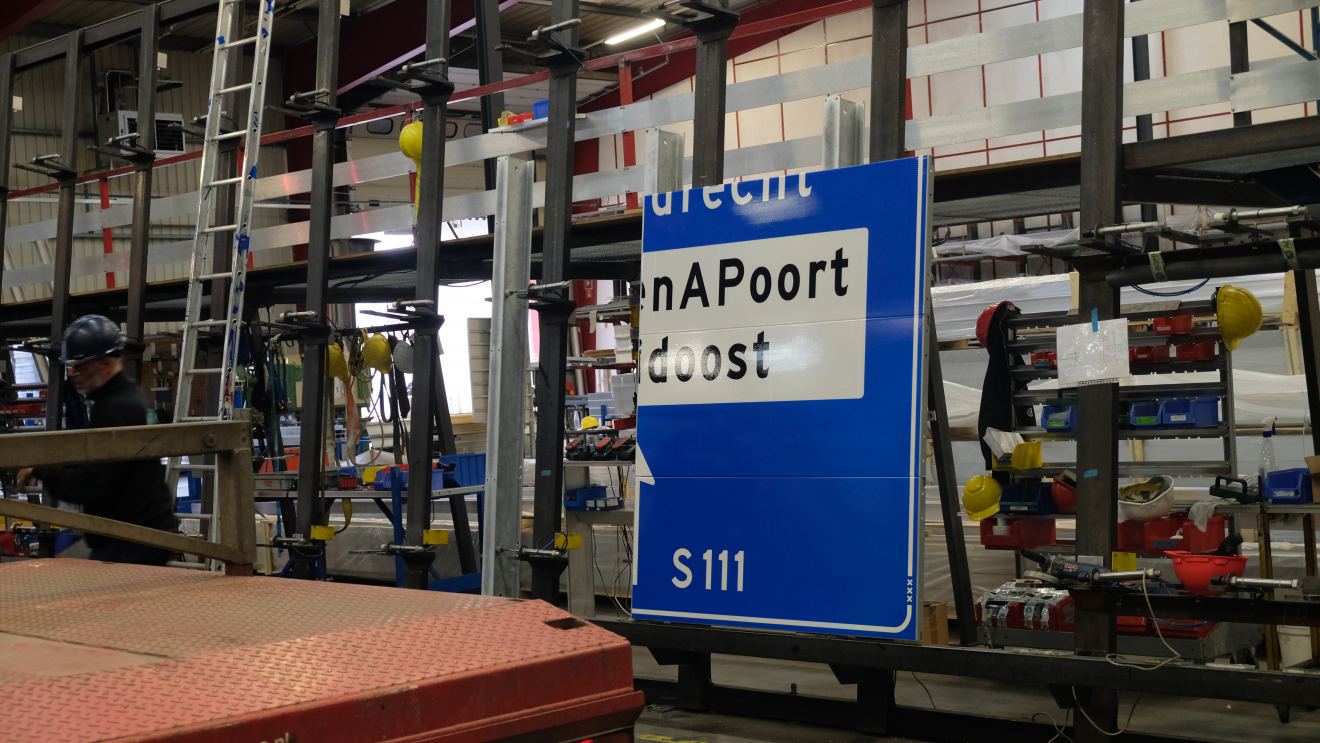
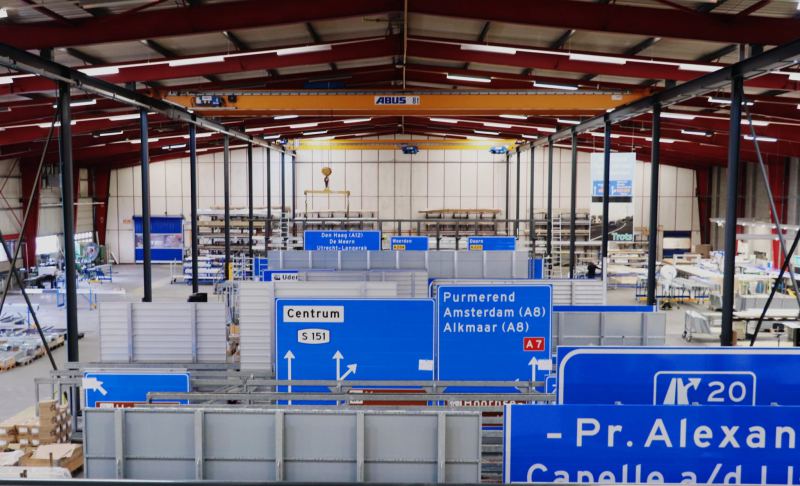
- Re-Sign traffic signs and wayfinding signage: circularly produced, reusable and equipped with a deposit-return system.
- Re-Construct electrical products: reusing and upgrading products such as pedestrian crossing lights, illuminated warning signs, traffical signal systems and other luminaires with energy-efficient lighting.
- Various sustainable materials: including Natural Traffic Sign, made from hemp fibres and Greenmolen made from recycled wind turbine blades.
This enables us to help make smarter, more circular use of budgets while contributing to climate goals in a tangible way.
Conclusion
Prinsjesdag 2026 once again sets the direction: increased funding for infrastructure maintenance, but no concrete framework for circularity in the public space. For municipalities and provinces, this is once again an oppurtunity to take the initiative themselves.
We would be happy to explore how circular solotions can help achieve these ambitions. Want to know how to make your public space smarter and more sustainable? Leave your contact details below and we will get in touch within one business day.